OEM Safety Lancets: Planning a Private Label Project
OEM safety lancet projects start with a defined item and a clear private label brief. Before sending artwork, record the model, activation design, paired needle gauge and penetration depth, destination market and proposed packaging. The supplier can then address the actual configuration being considered.
Linkfar Medical's safety lancet manufacturing and OEM sourcing overview lists the initial model options and enquiry information. This guide turns those inputs into a project brief that purchasing, product and artwork teams can use together.
What should an OEM safety lancet enquiry include?
An OEM safety lancet enquiry should identify the model and item reference, activation design, needle gauge and penetration depth together, destination, expected quantities, pack format and label language. Describe packaging or artwork requirements separately from proposed changes to the device. Request the specification, label and instructions for use for the selected item.
Define the item before approving artwork
Start with the safety lancet model range. Record the item reference alongside its specification so the quotation, evaluation sample and later packaging refer to the same configuration.
For example, the published PA2 Duo Springs specification table lists item 11-2122 as 21G with a 2.2 mm depth, and item 11-3015 as 30G with a 1.5 mm depth. These are two separate catalogue items. Confirm the current specification for the item selected for your project.
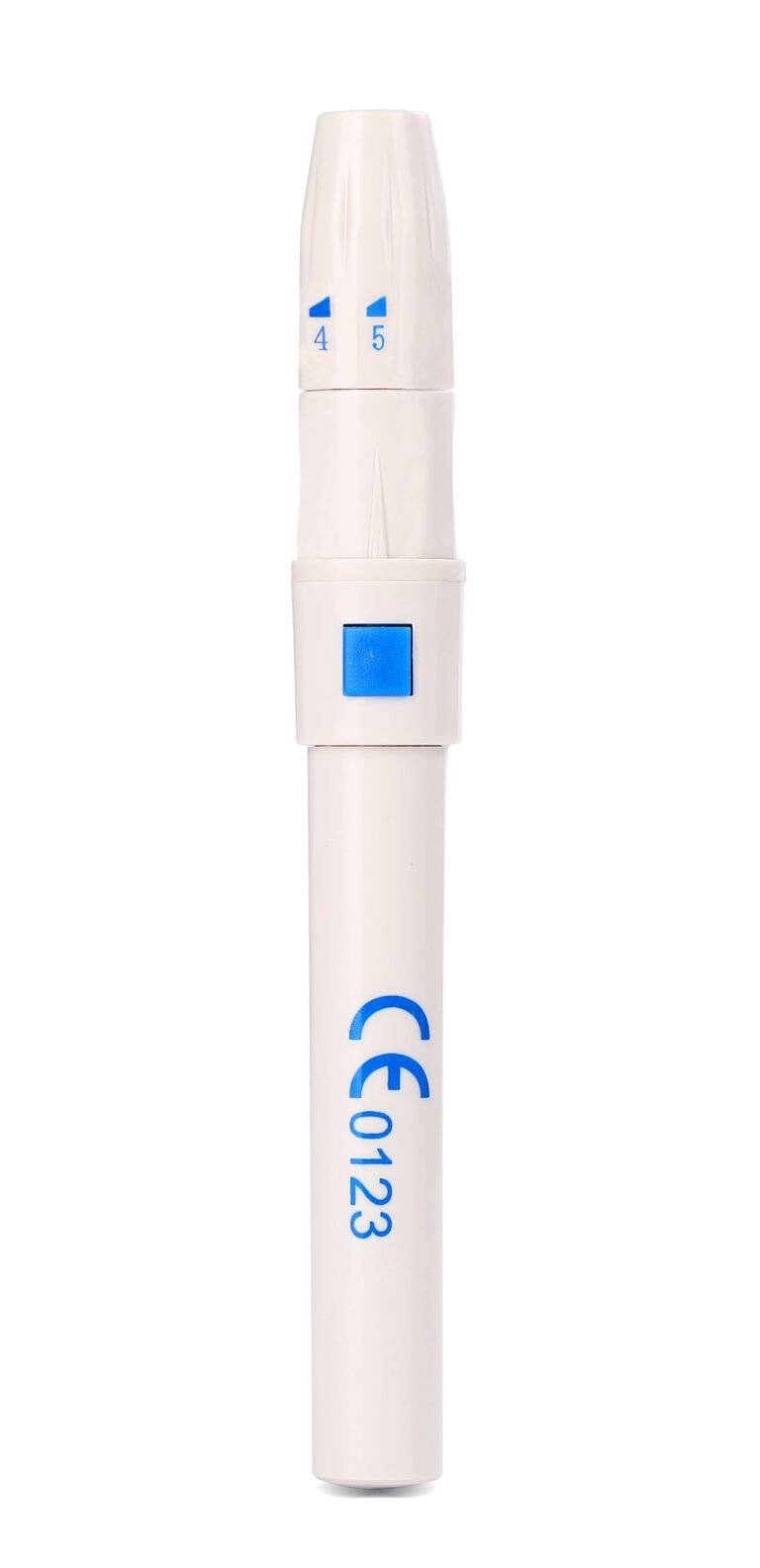
Keep gauge and depth in one line rather than selecting them independently from a range. Add a reference photograph or specification sheet where it helps identify the proposed item.
Separate packaging work from a device change
A request to put a brand on a box describes a different project scope from a request to change the device design. State what you want to change and ask the supplier to confirm which requests can be supported for the selected item.
| Project area | Information to provide | Confirmation to request |
|---|---|---|
| Item configuration | Model, item reference, activation design, paired gauge and depth | Current specification and matching sample reference |
| Packaging | Units per box, box format, outer carton requirements | Proposed pack arrangement and item identification |
| Artwork | Brand assets, label language and proposed text | Artwork version and review responsibilities |
| Device change | A description of the requested physical or functional change | Feasibility, evaluation requirements and project scope |
| Destination | Country or market and documents requested | Documents corresponding to the selected item and destination |
| Commercial scope | Evaluation quantity, expected order volume and requested timing | Quotation, sample arrangements and agreed delivery terms |
Review the label and IFU with the specification
Request the current label and instructions for use (IFU) for the selected item. Compare the item reference and description across the specification, sample and proposed artwork. Record the document versions and any questions that remain open.
For a U.S. destination, the FDA's device labeling overview explains that labeling includes accompanying material as well as the immediate container label. Include the relevant packaging and IFU in the project review rather than reviewing only the logo panel.
List destination requirements in the enquiry. Ask which corresponding documents are available for the item being evaluated. A document for another model, version or market should remain separate from the selected item's project file.
Use an editable private label project brief
Copy the brief below, or download the editable safety lancet OEM enquiry template. Complete the fields you know and mark outstanding choices as pending. Use a separate item line for each gauge and depth combination.
Project / brand:
Destination country or market:
Model and item reference:
Activation design:
Needle gauge and penetration depth (paired):
Evaluation quantity:
Expected order quantity:
Units per box and packaging format:
Outer carton requirements:
Label / IFU language:
Artwork requirements and version:
Proposed device changes, if any:
Documents requested:
Questions still pending:
Contact person and company:
This is an enquiry brief. Confirm the selected item and project terms using the supplier's current documents and quotation.
Keep a record from enquiry to order
- Identify the initial model and complete item configuration.
- Send the brief with the destination, quantities and packaging requirements.
- Record the supplier's response against each requested input, including pending decisions.
- Keep the evaluation sample reference with its specification, label and IFU versions.
- Record the reviewed artwork version and agreed pack format.
- Check that the quotation and order reference the agreed item and configuration.
For a later reorder, compare the new request with that record. Identify any changed item, packaging, language or document version before confirming the order.
Questions before starting a private label project
How should MOQ and lead time be confirmed?
Request them in the quotation for the defined item, quantities, packaging and artwork scope. Keep the quoted terms with the project brief so the team can see what was agreed.
Can one brief cover several safety lancet items?
Use one project brief for shared brand and destination requirements, with a separate item line for each configuration. Keep item references, gauge, depth and quantity together so the reply can address each requested item.
What if the model has not been selected?
Describe the intended application and destination, then request the current model specifications and IFUs for evaluation. Use our safety lancet design and purchasing basics to prepare the first comparison.
Send your safety lancet project requirements
Send the completed brief to info@linkfarmedical.com, or use the Linkfar Medical enquiry form. Include the selected model or application, destination, expected quantity and packaging requirements.