Safety Lancets for Diagnostic Kit Sourcing
Safety lancets for diagnostic kit sourcing should be specified against the named test system, its current instructions and the proposed kit configuration. Record the lancet item, sample-collection requirements, packaging and document versions, then have the kit team review the complete combination before ordering.
This guide is for diagnostic kit developers, distributors and OEM purchasing teams. It explains the information to put in a component enquiry and the records to retain when a proposed lancet is reviewed for a kit.
Start with the named test and its current instructions
Identify the test manufacturer, test name, reference and instructions-for-use version. Ask the responsible kit team to provide the required specimen type, collection site, intended users and any stated sample-collection requirements.
For blood glucose systems, the FDA's blood glucose monitoring guidance emphasizes following the meter and test-strip instructions. Health Canada also notes that instructions can differ between models or brands. These are reasons to work from the actual test documents rather than a general category description.
Copy the sampling requirements into the enquiry with their source and version. Where a requirement is missing or unclear, record the question for the kit team before choosing a lancet configuration.
Keep the test requirement and the lancet specification separate
The test requirements describe the sampling task. The lancet specification identifies the proposed component. Keep both records so that a catalogue selection does not become an unsupported claim that a lancet is suitable for a named test.
| Record | Information to collect | Review source |
|---|---|---|
| Test system | Manufacturer, test name, reference and IFU version | The current test documents supplied by the kit team |
| Sampling requirements | Specified sample type, collection site, intended users and any stated sample quantity | The relevant test and collection instructions |
| Lancet identity | Model, item reference and specification version | The proposed item's product documents and sample label |
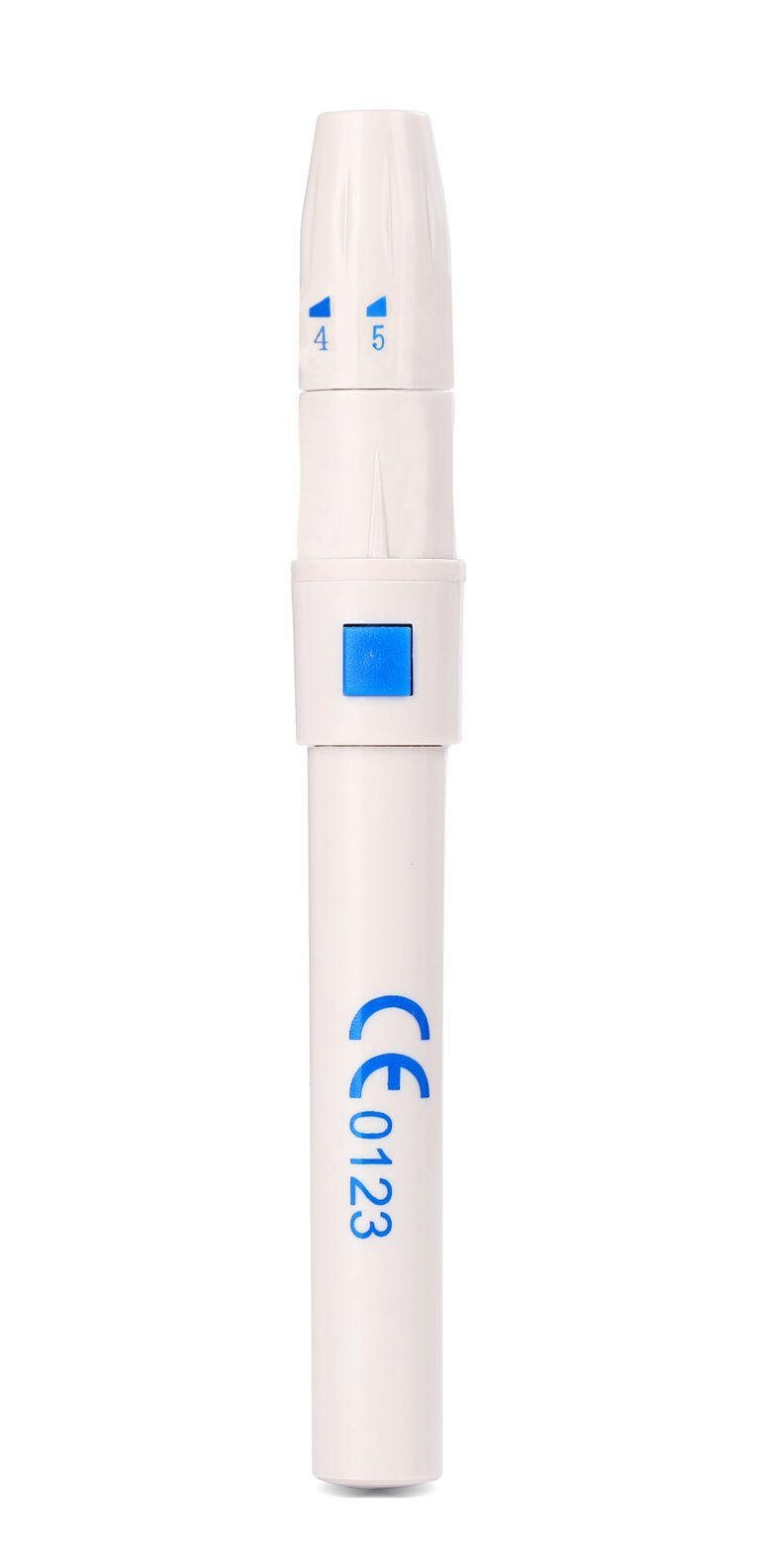
| Lancet configuration | Activation design, needle gauge and penetration depth, or available adjustable settings | The specification for that exact item |
| Kit configuration | Lancet quantity per kit, component arrangement and packaging format | The proposed kit bill of materials and packing drawing |
| Review result | Sample references, agreed evaluation criteria, findings and open questions | The kit team's review record |
A needle gauge and depth are purchasing identifiers, not evidence on their own that a particular test's sampling requirement has been met. Ask the kit team to define the evaluation criteria for the proposed combination.
Choose a model for review, then identify the exact item
Linkfar Medical lists pressure activated NPA, PA2, PA and TPA models and the adjustable APA range on its manufacturer and OEM sourcing page. Use the linked product information to identify a candidate item for a project discussion.
For a fixed-depth item, record the gauge and penetration depth together. For an adjustable design, record the specified settings and the configuration submitted for review. Keep the item reference visible in the sample request, quotation and kit component list.
The pressure activated safety lancet buying guide explains the specification fields to collect. A listed product remains a candidate until the responsible kit team has reviewed it for the proposed use.
Specify how the lancets will be supplied and packed
State whether the project needs the existing labeled pack, individual components for a packing process, or a private label packaging proposal. Ask for the proposed pack format and item documents before fixing the kit layout.
Confirm the component quantity per kit, purchasing unit, label language, pack dimensions and artwork version where applicable. Request actual shipping dimensions and weights for the agreed pack rather than estimating them from a product photograph.
Keep any proposed change to the device, protective packaging, label or instructions as a separate review item. The OEM safety lancet planning guide can help organize the product and packaging inputs.
Review component documents alongside the kit materials
Collect the current component specification, label and instructions for use. Ask for the applicable product and market documents for the exact proposed item, and have the kit's regulatory or quality team review what is needed for the destination.
Include the component instructions in the packaging review. The FDA's device labeling overview explains that U.S. labeling includes material accompanying a device. Reviewing a box design alone does not address that wider document set.
Record the lot and document information that the kit team needs to retain. When the proposed item, label or packaging changes, identify the affected kit records and ask the relevant team to review the change before substituting the component.
Send a kit-specific sourcing enquiry
Use this list to prepare the first enquiry. Leave an unknown field open and name the person or team that will confirm it.
- Destination country, test name, test reference and current IFU version.
- The sampling requirements supplied by the kit team, with the source document.
- Candidate lancet model, item reference and complete configuration.
- Quantity per kit, purchasing quantity and expected ordering pattern.
- Proposed component pack, label language and any private label changes.
- Requested sample quantity, evaluation criteria and documents to review.
For a wider supplier review, use the safety lancet manufacturer selection guide to match the item, sample and quotation. Send your kit-specific brief to info@linkfarmedical.com to discuss a proposed component and the information needed for review.